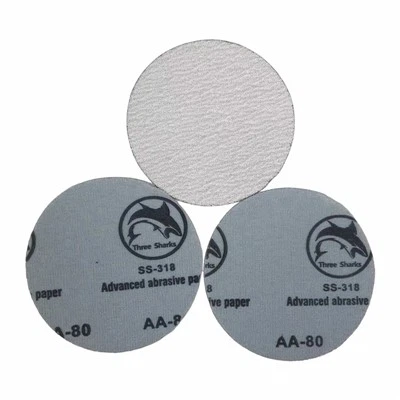


As a seasoned supplier of Coated Sanding Belts, I've witnessed firsthand the dynamic nature of these essential tools in various industries. Understanding the wear pattern of coated sanding belts is crucial for both manufacturers and end - users. It not only affects the quality of the sanding process but also has a significant impact on cost - efficiency and productivity.
The Basics of Coated Sanding Belts
Before delving into the wear pattern, let's briefly understand what coated sanding belts are. Coated sanding belts consist of an abrasive material (such as aluminum oxide, silicon carbide, etc.) adhered to a flexible backing material (usually paper, cloth, or a combination). These belts are used in a wide range of applications, from woodworking to metalworking, automotive, and aerospace industries.
Types of Wear Patterns
1. Uniform Wear
Uniform wear is the ideal scenario for coated sanding belts. In this pattern, the abrasive grains on the belt wear evenly across the entire surface. This type of wear indicates that the belt is being used under optimal conditions. For example, in a well - maintained sanding machine with consistent pressure and feed rate, the belt will experience uniform wear. When a belt wears uniformly, it can maintain a consistent sanding performance throughout its lifespan. This is particularly important in applications where a high level of surface finish is required, such as in the production of fine furniture or precision metal parts.
2. Edge Wear
Edge wear occurs when the edges of the sanding belt wear out faster than the center. This can be caused by several factors. One common reason is improper alignment of the belt on the sanding machine. If the belt is not centered correctly, the edges will bear more pressure, leading to accelerated wear. Another factor could be the nature of the workpiece. For instance, if the workpiece has sharp edges or corners, the edges of the belt will come into more contact with these areas, causing them to wear out more quickly. Edge wear can be a problem as it can lead to uneven sanding and a decrease in the overall performance of the belt.
3. Center Wear
Center wear is the opposite of edge wear, where the center of the belt wears out faster than the edges. This can happen when the sanding machine applies more pressure in the center of the belt. It can also be due to the type of workpiece. For example, if the workpiece has a convex shape, the center of the belt will be in more contact with the workpiece, resulting in faster wear. Center wear can cause the belt to lose its flatness, which can lead to uneven sanding and a poor surface finish.
4. Spot Wear
Spot wear is characterized by localized areas of wear on the belt. This can be caused by contaminants on the workpiece or in the sanding environment. For example, if there are hard particles on the workpiece, they can cause the abrasive grains in the contact area to break or wear out more quickly. Spot wear can also be due to improper handling of the belt, such as folding or creasing it, which can damage the abrasive layer in specific areas.
Factors Affecting Wear Patterns
1. Abrasive Material
The type of abrasive material used in the coated sanding belt plays a significant role in its wear pattern. Different abrasive materials have different hardness, toughness, and self - sharpening properties. For example, aluminum oxide is a common abrasive material that is relatively hard and durable. It is suitable for sanding a wide range of materials, including wood, metal, and plastics. Silicon carbide, on the other hand, is a harder and more brittle abrasive, which is often used for sanding hard materials such as ceramics and glass. The choice of abrasive material will determine how the belt wears under different conditions.
2. Backing Material
The backing material of the coated sanding belt also affects its wear pattern. Paper backing is commonly used for light - duty sanding applications. It is relatively inexpensive but less durable compared to cloth backing. Cloth backing, such as Abrasive Cloth Belt, is more flexible and can withstand higher pressures and more aggressive sanding. It is often used in heavy - duty applications, such as sanding thick metal sheets or hardwood. The type of backing material can influence how the belt conforms to the workpiece and how it distributes the pressure during sanding.
3. Workpiece Material
The material of the workpiece being sanded is a crucial factor in determining the wear pattern of the coated sanding belt. Different materials have different hardness, density, and abrasiveness. For example, sanding softwood will result in less wear on the belt compared to sanding hardwood. Similarly, sanding stainless steel will require a different type of belt and will cause a different wear pattern compared to sanding aluminum. Sanding Belts for Steel are specifically designed to handle the high hardness and abrasiveness of steel.
4. Sanding Machine Settings
The settings of the sanding machine, such as the speed, pressure, and feed rate, can have a significant impact on the wear pattern of the belt. A higher speed can increase the rate of wear, while excessive pressure can cause the belt to wear out more quickly. The feed rate also affects how the belt wears. A slow feed rate may cause the belt to overheat and wear out faster, while a fast feed rate may not allow the belt to sand effectively and can also lead to uneven wear.
Implications of Wear Patterns
1. Quality of Sanding
The wear pattern of the coated sanding belt directly affects the quality of the sanding process. A belt with uniform wear will provide a consistent and smooth surface finish. On the other hand, belts with edge wear, center wear, or spot wear can result in uneven sanding, which can lead to a poor surface finish and may require additional sanding or finishing steps.
2. Cost - Efficiency
Understanding the wear pattern of coated sanding belts is essential for cost - efficiency. By choosing the right belt for the application and optimizing the sanding process, manufacturers can reduce the frequency of belt replacement. For example, using a belt with the appropriate abrasive material and backing material for the workpiece can extend the belt's lifespan. Additionally, proper maintenance of the sanding machine and the belt can also help to reduce wear and increase cost - efficiency.
3. Productivity
The wear pattern of the belt can also impact productivity. A belt that wears out quickly may need to be replaced frequently, which can cause downtime in the production process. By ensuring that the belt wears evenly and has a long lifespan, manufacturers can increase productivity and reduce production costs.
How to Optimize Wear Patterns
1. Select the Right Belt
Choosing the right coated sanding belt for the specific application is crucial. Consider the material of the workpiece, the required surface finish, and the sanding machine settings. For example, if you are sanding a hard metal, you may need a Coarse Sanding Belts with a hard abrasive material such as silicon carbide.
2. Maintain the Sanding Machine
Regular maintenance of the sanding machine is essential to ensure that the belt wears evenly. This includes checking the alignment of the belt, the tension of the belt, and the condition of the rollers. A well - maintained sanding machine will apply the pressure evenly on the belt, reducing the risk of edge wear or center wear.
3. Monitor the Wear
Regularly monitor the wear pattern of the belt during the sanding process. If you notice any signs of uneven wear, such as edge wear or spot wear, take appropriate measures to correct the problem. This may include adjusting the sanding machine settings, replacing the belt, or cleaning the workpiece.
Conclusion
In conclusion, understanding the wear pattern of coated sanding belts is essential for achieving high - quality sanding results, cost - efficiency, and productivity. By considering the factors that affect wear patterns and taking appropriate measures to optimize them, manufacturers and end - users can make the most of these essential tools. If you are interested in learning more about our Coated Sanding Belts or have any questions regarding their application and wear patterns, we encourage you to contact us for further discussion and potential procurement.


References
- Handbook of Abrasive Technology, John Wiley & Sons
- Industrial Sanding Processes: Principles and Applications, Elsevier