

Are large sandpaper rolls good for sanding doors and windows?
When it comes to sanding doors and windows, the choice of sandpaper is crucial. As a supplier of large sandpaper rolls, I've had numerous clients inquire about the suitability of these products for door and window sanding. In this blog, I'll explore the advantages and considerations of using large sandpaper rolls for this specific task.
Advantages of Large Sandpaper Rolls for Sanding Doors and Windows
1. Efficiency
One of the primary benefits of large sandpaper rolls is their efficiency. Doors and windows often have large, flat surfaces. A large sandpaper roll allows you to cover a significant area in a single pass, reducing the time and effort required for sanding. For example, when sanding a large wooden door, a large roll can quickly smooth out the surface, eliminating unevenness and old paint or varnish. This efficiency is especially important for professional carpenters and contractors who need to complete projects in a timely manner.
2. Customizable Size
Large sandpaper rolls can be easily cut to the desired size. This flexibility is extremely useful when sanding doors and windows of different dimensions. You can cut the roll to fit the width of the door or window frame, ensuring that you can reach all areas without wasting sandpaper. Whether you're working on a narrow window sash or a wide double - door, you can customize the sandpaper to meet your specific needs.
3. Cost - effectiveness
In general, large sandpaper rolls offer better value for money compared to smaller pre - cut sandpaper sheets. Since you can use only the amount of sandpaper you need, there is less waste. This cost - saving aspect is particularly beneficial for large - scale projects or for those who frequently work on door and window sanding. Over time, the savings can add up significantly.
4. Consistent Quality
As a supplier, we ensure that our large sandpaper rolls maintain a high level of quality. The abrasive particles are evenly distributed across the roll, providing a consistent sanding performance. This means that you can achieve a smooth and uniform finish on doors and windows, which is essential for a professional - looking result.
Considerations When Using Large Sandpaper Rolls for Sanding Doors and Windows
1. Abrasive Grit Selection
The choice of abrasive grit is critical. For initial sanding to remove old paint or rough surfaces on doors and windows, a coarser grit (such as 60 - 80 grit) is recommended. As you progress to finer sanding for a smooth finish, you should switch to a finer grit (e.g., 120 - 220 grit). Using the wrong grit can either damage the surface or fail to achieve the desired smoothness.
2. Handling and Storage
Large sandpaper rolls can be bulky and may require proper handling and storage. They need to be stored in a dry place to prevent the abrasive from deteriorating. When handling, make sure to cut the roll cleanly to avoid frayed edges, which can affect the sanding performance.
3. Compatibility with Sanding Tools
Not all sanding tools are suitable for large sandpaper rolls. You need to ensure that your sanding block or machine can accommodate the size of the sandpaper. Some sanding machines may require specific adapters or attachments to work with large rolls effectively.
Comparison with Other Sandpaper Products
1. 125mm Round Sanding Discs
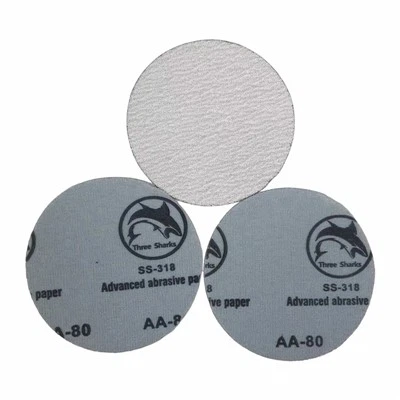
125mm Round Sanding Discs are a popular alternative to large sandpaper rolls. They are ideal for reaching small, curved areas on doors and windows, such as decorative moldings. However, they may not be as efficient for large, flat surfaces as large sandpaper rolls. The round shape limits the amount of surface area that can be covered in a single pass.
2. Hook and Loop Sanding Sheets
Hook and Loop Sanding Sheets offer the advantage of easy attachment and removal from sanding tools. They come in various sizes and grits. While they are convenient for quick changes, they may not be as cost - effective as large sandpaper rolls for large - scale door and window sanding projects.
3. 125mm Wet and Dry Sanding Discs
125mm Wet and Dry Sanding Discs are suitable for both wet and dry sanding applications. They are great for achieving a smooth finish on doors and windows. However, like round sanding discs, they are better suited for smaller areas and may not be the most efficient option for large surfaces.
Tips for Using Large Sandpaper Rolls on Doors and Windows
1. Prepare the Surface
Before sanding, make sure to clean the doors and windows to remove dust, dirt, and loose paint. This will prevent the abrasive from clogging and ensure a more effective sanding process.
2. Use the Right Technique
When sanding, apply even pressure and move the sandpaper in the direction of the wood grain. This will help to avoid scratching the surface and achieve a smooth finish.


3. Check the Progress Regularly
Periodically stop and check the surface to ensure that you are achieving the desired level of smoothness. This will help you determine when to switch to a finer grit for the final sanding.
Conclusion
Large sandpaper rolls are an excellent choice for sanding doors and windows. Their efficiency, customizable size, cost - effectiveness, and consistent quality make them a popular option for both professionals and DIY enthusiasts. However, it's important to consider the abrasive grit selection, handling, and compatibility with sanding tools. While other sandpaper products like round sanding discs, hook and loop sanding sheets, and wet and dry sanding discs have their own advantages, large sandpaper rolls are often the best choice for large - scale door and window sanding projects.
If you're interested in purchasing high - quality large sandpaper rolls for your door and window sanding needs, please feel free to contact us for more information and to discuss your specific requirements. We're here to provide you with the best sandpaper solutions for your projects.
References
- Woodworking Industry Handbook: A comprehensive guide to woodworking tools and materials.
- Sandpaper Manufacturing Standards and Best Practices, published by the Abrasive Manufacturers Association.