

How to Adjust the Tension of High Grit Sanding Belts
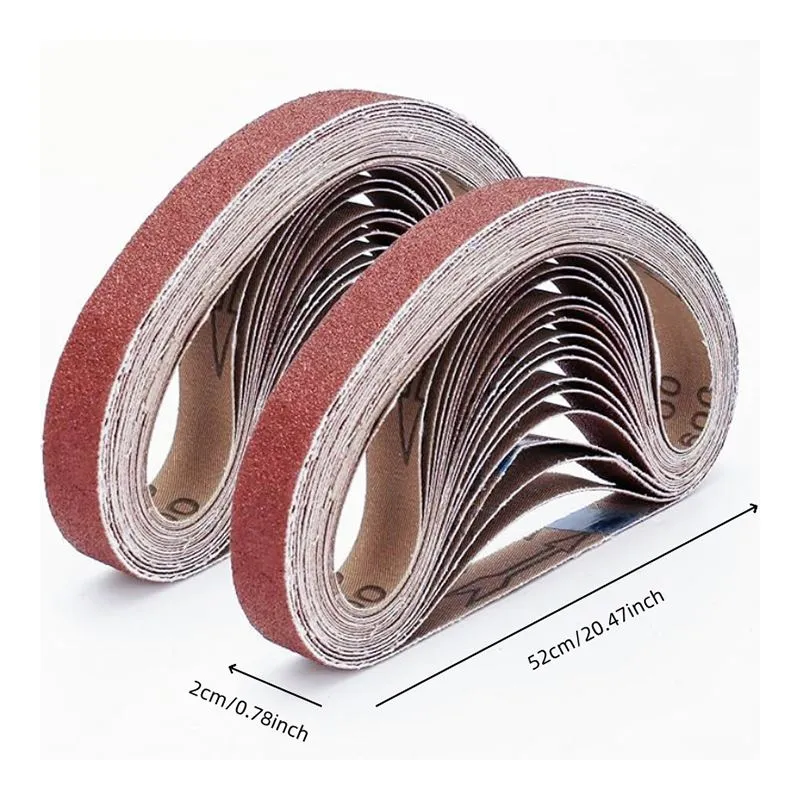
As a supplier of high grit sanding belts, I understand the importance of proper tension adjustment for these essential tools. High grit sanding belts are widely used in various industries, from metalworking to woodworking, and ensuring they are tensioned correctly is crucial for achieving optimal performance and longevity. In this blog post, I will share some insights on how to adjust the tension of high grit sanding belts effectively.

Understanding the Importance of Tension
The tension of a sanding belt plays a significant role in its performance. If the belt is too loose, it may slip on the pulleys, resulting in uneven sanding and reduced efficiency. On the other hand, if the belt is too tight, it can cause excessive wear on the belt and the machine, leading to premature failure. Therefore, finding the right tension is essential for achieving smooth and consistent sanding results.
Factors Affecting Tension
Several factors can affect the tension of a sanding belt, including the type of material being sanded, the speed of the machine, and the size and design of the belt. For example, when sanding hard materials such as steel or stainless steel, a higher tension may be required to ensure the belt stays in place and provides effective cutting. Conversely, when sanding softer materials like wood, a lower tension may be sufficient.
Tools for Tension Adjustment
To adjust the tension of a high grit sanding belt, you will need a few tools, including a tension gauge and a wrench or screwdriver, depending on the type of tensioning mechanism on your sanding machine. A tension gauge is a handy tool that allows you to measure the tension of the belt accurately. It typically consists of a spring-loaded device that applies a known force to the belt and measures the deflection.
Step-by-Step Guide to Tension Adjustment
- Prepare the Machine: Before adjusting the tension, make sure the sanding machine is turned off and unplugged. This will prevent any accidental movement of the belt or the machine during the adjustment process.
- Locate the Tensioning Mechanism: The tensioning mechanism on a sanding machine can vary depending on the model and manufacturer. It is usually located near the pulleys or on the side of the machine. Refer to the machine's manual for specific instructions on how to access and adjust the tensioning mechanism.
- Measure the Initial Tension: Use a tension gauge to measure the initial tension of the belt. Place the gauge on the belt at a point midway between the pulleys and apply a known force. The gauge will display the tension reading. Make a note of this reading for future reference.
- Adjust the Tension: Using a wrench or screwdriver, adjust the tensioning mechanism to increase or decrease the tension of the belt. Turn the adjustment screw or knob in small increments and recheck the tension using the gauge after each adjustment. Continue adjusting until the desired tension is achieved.
- Test the Belt: Once the tension is adjusted, turn on the sanding machine and run the belt for a few minutes to ensure it is running smoothly. Check for any signs of slipping or excessive vibration. If the belt is still not running properly, make further adjustments to the tension.
- Final Check: After running the belt for a few minutes, turn off the machine and recheck the tension using the gauge. Make any final adjustments if necessary.
Tips for Optimal Tension Adjustment
- Follow the Manufacturer's Recommendations: Always refer to the manufacturer's instructions for your sanding machine and high grit sanding belts. They will provide specific guidelines on the recommended tension range for your particular machine and belt.
- Use a Tension Gauge: A tension gauge is an essential tool for accurate tension adjustment. It allows you to measure the tension of the belt precisely and ensures that you are within the recommended range.
- Check the Belt Regularly: Over time, the tension of a sanding belt can change due to wear and tear. It is important to check the tension regularly and make adjustments as needed to maintain optimal performance.
- Avoid Over - Tightening: Over - tightening the belt can cause excessive wear on the belt and the machine, leading to premature failure. Make sure to adjust the tension within the recommended range.
Applications of High Grit Sanding Belts
High grit sanding belts are used in a wide range of applications, including:
- Metalworking: In metalworking, high grit sanding belts are used for finishing and deburring metal surfaces. They can be used on various metals, such as Sanding Belts for Steel and Sanding Belts for Stainless Steel. These belts provide a smooth and consistent finish, making them ideal for applications where a high level of precision is required.
- Woodworking: In woodworking, high grit sanding belts are used for sanding and smoothing wood surfaces. They can be used to remove rough edges, prepare the surface for painting or staining, and achieve a fine finish. Coated Sanding Belts are commonly used in woodworking applications due to their durability and cutting efficiency.
- Automotive and Aerospace: High grit sanding belts are also used in the automotive and aerospace industries for sanding and finishing parts. They can be used to remove paint, rust, and other surface imperfections, as well as to prepare the surface for coating or plating.
Conclusion
Adjusting the tension of high grit sanding belts is a critical step in ensuring optimal performance and longevity. By following the steps outlined in this blog post and using the right tools, you can achieve the correct tension for your sanding belts and enjoy smooth and consistent sanding results. If you have any questions or need further assistance with tension adjustment or high grit sanding belts, please feel free to contact us. We are here to help you find the best solutions for your sanding needs.
References
- Woodworking Machinery and Equipment Manufacturers Association (WMEMA). (2023). Sanding Machine Operation and Maintenance Guide.
- Abrasive Manufacturers Association (AMA). (2023). Abrasive Belt Selection and Use Handbook.