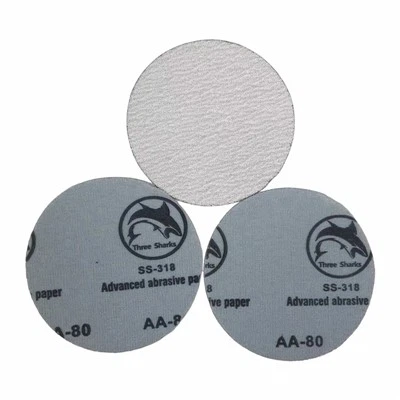


Hey there! As a supplier of Coarse Sanding Belts, I've often been asked if there are different types of these belts. Well, the answer is a big yes! In this blog, I'll walk you through the various types of coarse sanding belts and how they can be used in different applications.
What Are Coarse Sanding Belts?
First off, let's quickly define what coarse sanding belts are. Coarse sanding belts are abrasive tools used for heavy - duty sanding jobs. They have a relatively low grit number, which means the abrasive particles on the belt are larger. These larger particles are great for quickly removing material, such as rough wood, paint, or rust. You can find more about Coarse Sanding Belts on our website Coarse Sanding Belts.
Types of Coarse Sanding Belts
Aluminum Oxide Coarse Sanding Belts
Aluminum oxide is one of the most common abrasives used in sanding belts. Aluminum oxide coarse sanding belts are extremely versatile. They can be used on a wide range of materials, including wood, metal, and plastic. The advantage of these belts is that they are self - sharpening. As the abrasive particles wear down, new sharp edges are exposed, which helps maintain a consistent cutting action. This makes them ideal for long - term use, especially in industrial settings where large amounts of material need to be removed.
Silicon Carbide Coarse Sanding Belts
Silicon carbide coarse sanding belts are another popular option. These belts are known for their hardness and ability to cut through hard materials like glass, ceramics, and stone. They are also great for sanding non - ferrous metals such as aluminum and brass. Silicon carbide belts are more brittle compared to aluminum oxide belts, but they offer a very fast cutting speed. If you're working on a project that involves hard, brittle materials, silicon carbide belts are your go - to choice.
Zirconia Alumina Coarse Sanding Belts
Zirconia alumina is a high - performance abrasive. Zirconia alumina coarse sanding belts are designed for heavy - stock removal on tough materials like steel and stainless steel. They can withstand high temperatures generated during the sanding process, which makes them suitable for high - pressure and high - speed sanding operations. These belts are more expensive than aluminum oxide and silicon carbide belts, but their durability and cutting performance make them worth the investment, especially for professional users.
Different Applications for Coarse Sanding Belts
Woodworking
In woodworking, coarse sanding belts are used at the beginning of the sanding process. They help to quickly smooth rough surfaces, remove saw marks, and shape the wood. For example, when building a wooden table, you'd start with a coarse sanding belt to level the surface of the wood and get rid of any rough edges. After that, you can move on to finer grit sanding belts for a smoother finish.
Metalworking
In metalworking, coarse sanding belts are used for deburring, removing rust, and preparing the metal surface for further processing. For instance, if you're working on a metal pipe, a coarse sanding belt can be used to remove the sharp edges left after cutting and to clean the surface before welding or painting.
Automotive Refinishing
In the automotive industry, coarse sanding belts are used to remove old paint and body filler. They can quickly strip the paint from a car's body, allowing for a fresh coat of paint to be applied. This is an essential step in the automotive refinishing process.
Abrasive Cloth Belt vs. Coarse Sanding Belts
You might be wondering how abrasive cloth belts relate to coarse sanding belts. Well, abrasive cloth belts are a type of sanding belt. They are made of a cloth backing with abrasive particles attached to it. Coarse sanding belts can be made of abrasive cloth, but not all abrasive cloth belts are coarse. You can learn more about Abrasive Cloth Belt on our website Abrasive Cloth Belt.


Abrasive cloth belts come in a variety of grits, including coarse, medium, and fine. Coarse abrasive cloth belts are great for heavy - duty sanding, while fine ones are used for finishing touches.
High Grit Sanding Belts and Coarse Sanding Belts
High grit sanding belts have a higher number of abrasive particles per square inch, which means the particles are smaller. They are used for fine sanding and finishing work. Coarse sanding belts, on the other hand, are used for the initial rough sanding.
After using a coarse sanding belt to remove a large amount of material, you'd typically follow up with a high grit sanding belt to achieve a smooth finish. You can find more about High Grit Sanding Belts on our website High Grit Sanding Belts.
Choosing the Right Coarse Sanding Belt
When choosing a coarse sanding belt, there are a few factors to consider. First, think about the material you'll be sanding. If it's wood, aluminum oxide belts are a good choice. For hard materials like stone or glass, silicon carbide belts are better. Second, consider the grit size. A lower grit number means a coarser belt, which is better for heavy - stock removal. Third, think about the type of sanding machine you'll be using. Some belts are designed for specific types of sanders, such as belt sanders or orbital sanders.
Why Choose Our Coarse Sanding Belts?
As a supplier, we take pride in offering high - quality coarse sanding belts. Our belts are made from the best materials and are designed to provide excellent cutting performance and durability. Whether you're a professional woodworker, a metalworker, or an automotive enthusiast, our coarse sanding belts can meet your needs.
If you're interested in purchasing our Coarse Sanding Belts, feel free to reach out to us for a quote or to discuss your specific requirements. We're always happy to help you find the right product for your project.
References
- "Sanding Belt Basics" by Woodworking Magazine
- "Abrasive Technology Handbook" by Industrial Abrasives Association
So, there you have it! Now you know that there are indeed different types of coarse sanding belts, and how they can be used in various applications. Don't hesitate to get in touch if you have any questions or if you're ready to start a purchase. We're here to make your sanding projects a success!