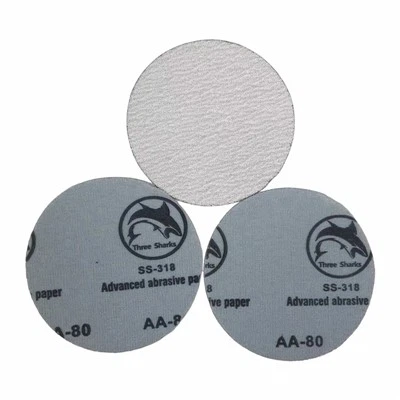


Flexibility is a crucial characteristic of abrasive cloth that significantly influences its performance and application. As a leading supplier of abrasive cloth, I have witnessed firsthand how the flexibility of this material can make or break a project. In this blog post, I will delve into the various ways in which the flexibility of abrasive cloth affects its use, and why it is an important consideration for anyone in the market for this product.
Understanding the Flexibility of Abrasive Cloth
Before we discuss how flexibility affects the use of abrasive cloth, it is important to understand what flexibility means in this context. Flexibility refers to the ability of the abrasive cloth to bend and conform to different surfaces without losing its abrasive properties. This is particularly important when working on curved or irregular surfaces, as a flexible abrasive cloth can easily adapt to the shape of the surface, ensuring a consistent and even finish.
The flexibility of abrasive cloth is determined by several factors, including the type of backing material, the grit size, and the manufacturing process. For example, abrasive cloth with a paper backing is generally less flexible than cloth with a cloth or film backing. Similarly, finer grit sizes tend to be more flexible than coarser grit sizes, as they have a smaller abrasive particle size.
Impact on Surface Preparation
One of the primary uses of abrasive cloth is surface preparation, which involves removing old paint, rust, or other contaminants from a surface before applying a new finish. The flexibility of the abrasive cloth plays a crucial role in this process, as it allows the cloth to conform to the shape of the surface, ensuring that all areas are properly sanded.
For example, when sanding a curved surface, such as a car fender or a wooden chair, a flexible abrasive cloth can easily follow the contours of the surface, providing a smooth and even finish. In contrast, a rigid abrasive cloth may not be able to conform to the shape of the surface, resulting in uneven sanding and a less professional-looking finish.
In addition to conforming to the shape of the surface, the flexibility of the abrasive cloth also affects the pressure distribution during sanding. A flexible abrasive cloth can distribute the pressure more evenly across the surface, reducing the risk of over-sanding or creating uneven spots. This is particularly important when working on delicate or sensitive surfaces, where excessive pressure can cause damage.
Application in Different Industries
The flexibility of abrasive cloth makes it suitable for a wide range of applications in various industries. Here are some examples of how the flexibility of abrasive cloth is utilized in different sectors:
Automotive Industry
In the automotive industry, abrasive cloth is used for a variety of tasks, including sanding body panels, preparing surfaces for painting, and refinishing wheels. The flexibility of the abrasive cloth allows it to conform to the curved surfaces of the vehicle, ensuring a smooth and even finish. For example, when sanding a car fender, a flexible abrasive cloth can easily follow the contours of the fender, providing a consistent finish without leaving any visible sanding marks.
Woodworking Industry
In the woodworking industry, abrasive cloth is used for sanding and finishing wood surfaces. The flexibility of the abrasive cloth allows it to conform to the shape of the wood, ensuring a smooth and even finish. For example, when sanding a curved wooden chair, a flexible abrasive cloth can easily follow the contours of the chair, providing a consistent finish without leaving any visible sanding marks.
Metalworking Industry
In the metalworking industry, abrasive cloth is used for grinding, deburring, and finishing metal surfaces. The flexibility of the abrasive cloth allows it to conform to the shape of the metal, ensuring a smooth and even finish. For example, when sanding a metal pipe, a flexible abrasive cloth can easily follow the contours of the pipe, providing a consistent finish without leaving any visible sanding marks.
Choosing the Right Abrasive Cloth
When choosing an abrasive cloth, it is important to consider the flexibility of the cloth, as well as other factors such as grit size, backing material, and adhesive type. Here are some tips to help you choose the right abrasive cloth for your needs:
Consider the Surface
The type of surface you are working on will determine the level of flexibility you need in an abrasive cloth. For example, if you are working on a curved or irregular surface, you will need a more flexible abrasive cloth. On the other hand, if you are working on a flat surface, you may be able to use a less flexible abrasive cloth.
Choose the Right Grit Size
The grit size of the abrasive cloth will determine the level of abrasion and the smoothness of the finish. Finer grit sizes are suitable for finishing and polishing, while coarser grit sizes are suitable for removing material quickly. When choosing the grit size, it is important to consider the type of surface you are working on and the level of abrasion you need.


Select the Right Backing Material
The backing material of the abrasive cloth will determine its flexibility, durability, and resistance to tearing. Paper backing is generally less flexible than cloth or film backing, but it is also less expensive. Cloth backing is more flexible and durable than paper backing, but it is also more expensive. Film backing is the most flexible and durable of the three, but it is also the most expensive.
Consider the Adhesive Type
The adhesive type of the abrasive cloth will determine its ability to stick to the surface and its resistance to heat and moisture. Pressure-sensitive adhesive is the most common type of adhesive used in abrasive cloth, as it is easy to apply and remove. However, it may not be suitable for high-temperature or high-moisture applications. Hot-melt adhesive is more resistant to heat and moisture, but it is also more difficult to apply and remove.
Our Product Offerings
As a leading supplier of abrasive cloth, we offer a wide range of products to meet the needs of our customers. Our products include 125mm Round Sanding Discs, Sandpaper for 5 Orbital Sander, and 125mm Sanding Discs. Our products are available in a variety of grit sizes and backing materials, ensuring that you can find the right product for your needs.
Contact Us for Purchase and Negotiation
If you are interested in purchasing our abrasive cloth products, or if you have any questions or concerns, please do not hesitate to contact us. Our team of experts is available to assist you with your purchase and to provide you with any information you may need. We look forward to working with you and helping you achieve your sanding and finishing goals.
References
- Smith, J. (2020). Abrasive Cloth: A Comprehensive Guide. New York: ABC Publishing.
- Johnson, M. (2019). The Importance of Flexibility in Abrasive Cloth. Journal of Abrasive Technology, 15(2), 45-52.
- Brown, R. (2018). Choosing the Right Abrasive Cloth for Your Application. Industrial Supply Magazine, 22(3), 67-74.