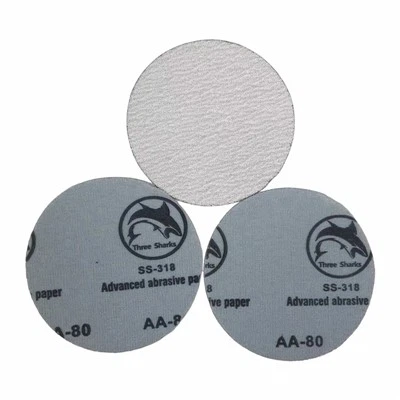


Hey there! As a disc sandpaper supplier, I often get asked about how to clean disc sandpaper. It's a crucial aspect that can significantly extend the lifespan of your sandpaper and ensure it performs at its best. In this blog, I'll share some practical tips on how to clean disc sandpaper effectively.
Why Cleaning Disc Sandpaper is Important
First off, let's talk about why cleaning your disc sandpaper matters. Over time, as you use disc sandpaper, it accumulates dust, debris, and particles from the material you're sanding. This buildup can clog the abrasive grains on the sandpaper, reducing its cutting efficiency and making it less effective. By cleaning the sandpaper regularly, you can keep those abrasive grains exposed and working properly, which means better sanding results and longer-lasting sandpaper.
Tools You'll Need
Before we dive into the cleaning process, let's go over the tools you'll need. You don't need anything too fancy. Here's a simple list:
- A stiff-bristled brush: This will help you remove the loose debris from the sandpaper surface.
- Compressed air: You can use a can of compressed air or an air compressor to blow out the dust from the sandpaper.
- A cleaning solution: You can use a mild detergent mixed with water. Avoid using harsh chemicals that could damage the sandpaper.
Step-by-Step Cleaning Process
Now, let's get into the actual cleaning process. Here's a step-by-step guide on how to clean your disc sandpaper:
Step 1: Remove Loose Debris
Start by using the stiff-bristled brush to gently brush off any loose dust and debris from the sandpaper surface. Make sure to brush in the direction of the abrasive grains to avoid damaging them. You can do this over a trash can or a clean surface to catch the debris.
Step 2: Use Compressed Air
After brushing off the loose debris, use the compressed air to blow out any remaining dust from the sandpaper. Hold the can of compressed air or the air compressor nozzle about 2-3 inches away from the sandpaper and blow across the surface. This will help dislodge any dust that's stuck in the abrasive grains.
Step 3: Soak in Cleaning Solution
If the sandpaper is still dirty after brushing and using compressed air, you can soak it in the cleaning solution. Fill a container with warm water and add a small amount of mild detergent. Stir the solution to mix it well. Then, place the disc sandpaper in the solution and let it soak for about 10-15 minutes. This will help loosen any stubborn dirt and debris.


Step 4: Scrub the Sandpaper
After soaking, use the stiff-bristled brush to gently scrub the sandpaper. Make sure to scrub both sides of the sandpaper to remove all the dirt and debris. Be careful not to scrub too hard, as this could damage the abrasive grains.
Step 5: Rinse and Dry
Once you've scrubbed the sandpaper, rinse it thoroughly with clean water to remove any remaining cleaning solution. Then, pat the sandpaper dry with a clean towel or let it air dry. Make sure the sandpaper is completely dry before using it again.
Tips for Maintaining Clean Disc Sandpaper
Here are some additional tips to help you maintain clean disc sandpaper:
- Use a dust collection system: When sanding, use a dust collection system to reduce the amount of dust that accumulates on the sandpaper. This will help keep the sandpaper clean and extend its lifespan.
- Change the sandpaper regularly: Even with regular cleaning, disc sandpaper will eventually wear out. Make sure to change the sandpaper when it starts to lose its cutting efficiency.
- Store the sandpaper properly: When not in use, store the sandpaper in a dry, cool place. This will help prevent the sandpaper from getting damaged or contaminated.
Different Types of Disc Sandpaper and Cleaning Considerations
There are different types of disc sandpaper available, and each type may require slightly different cleaning methods. Here are some common types of disc sandpaper and their cleaning considerations:
Aluminum Oxide Disc Sandpaper
Aluminum oxide is a popular abrasive material used in disc sandpaper. It's durable and can handle a wide range of sanding applications. To clean aluminum oxide disc sandpaper, follow the steps outlined above. However, be careful not to use abrasive cleaners or scrub too hard, as this could damage the aluminum oxide grains.
Silicon Carbide Disc Sandpaper
Silicon carbide is another common abrasive material used in disc sandpaper. It's known for its sharpness and ability to cut through hard materials. When cleaning silicon carbide disc sandpaper, you can use the same cleaning methods as for aluminum oxide sandpaper. However, silicon carbide is more brittle than aluminum oxide, so be extra careful when scrubbing to avoid damaging the grains.
Zirconia Alumina Disc Sandpaper
Zirconia alumina is a high-performance abrasive material that's often used for heavy-duty sanding applications. It's very durable and can maintain its cutting edge for a long time. To clean zirconia alumina disc sandpaper, follow the same cleaning steps as for other types of sandpaper. However, because zirconia alumina is more expensive than other abrasive materials, it's especially important to take good care of it.
Where to Find Quality Disc Sandpaper
If you're in the market for high-quality disc sandpaper, we've got you covered. We offer a wide range of disc sandpaper products, including 125mm Sand Paper, 5 Self Adhesive Sanding Discs, and 125mm Sanding Discs. Our disc sandpaper is made from high-quality materials and is designed to provide excellent performance and durability.
Conclusion
Cleaning disc sandpaper is an important part of maintaining its performance and extending its lifespan. By following the tips and steps outlined in this blog, you can keep your disc sandpaper clean and working at its best. If you have any questions or need more information about disc sandpaper or the cleaning process, feel free to reach out. We're here to help you find the right sandpaper for your needs and ensure you get the most out of it. So, don't hesitate to contact us if you're interested in purchasing our disc sandpaper products. We look forward to working with you!
References
- "Sandpaper Basics: Understanding the Different Types and Uses." Woodworking Network.
- "How to Clean and Maintain Sandpaper." DIY Network.