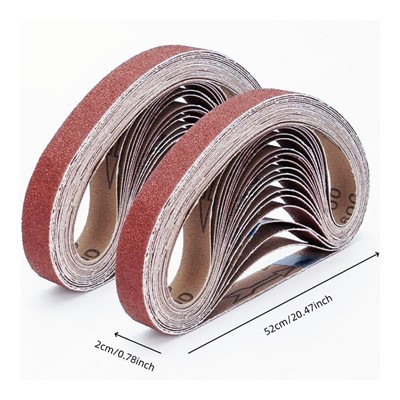


When it comes to the world of sanding, coated sanding belts play a pivotal role in achieving smooth and precise finishes. As a leading supplier of Coated Sanding Belts, I often get asked about various aspects of these essential tools, and one question that frequently arises is: What is the noise level when using coated sanding belts?
Understanding the Factors Affecting Noise Levels
The noise level produced when using coated sanding belts is influenced by several factors. Firstly, the type of abrasive material on the belt can have a significant impact. Different abrasive materials, such as aluminum oxide, silicon carbide, or zirconia alumina, have different hardness and cutting characteristics. Harder abrasives may generate more noise as they cut through the material with greater force. For example, zirconia alumina abrasives are known for their high cutting efficiency but can produce relatively louder noise compared to softer abrasives like aluminum oxide.
Secondly, the grit size of the sanding belt is another crucial factor. Higher grit sanding belts, such as those in the High Grit Sanding Belts category, are designed for finer finishing work. They typically have smaller abrasive particles, which can result in a quieter operation compared to lower grit belts. Lower grit belts are used for more aggressive material removal and may generate more noise due to the larger and coarser abrasive particles.
The speed at which the sanding belt is running also affects the noise level. Faster belt speeds generally lead to higher noise levels. This is because the increased speed causes the abrasive particles to impact the workpiece more rapidly, creating more vibrations and noise. Additionally, the type of machinery used to drive the sanding belt can influence the noise. Some machines may have better noise - dampening features than others.
Measuring Noise Levels
Noise levels are typically measured in decibels (dB). In a workshop environment, the noise level when using coated sanding belts can range from around 80 dB to over 100 dB, depending on the factors mentioned above. For comparison, normal conversation is around 60 dB, and a lawnmower typically produces around 90 dB of noise.
Exposure to high noise levels for extended periods can have detrimental effects on hearing. The Occupational Safety and Health Administration (OSHA) in the United States has set a permissible exposure limit (PEL) of 90 dB for an 8 - hour workday. When the noise level exceeds this limit, appropriate hearing protection should be worn.
Reducing Noise Levels
As a supplier of coated sanding belts, I understand the importance of minimizing noise in the workplace. There are several ways to reduce the noise level when using sanding belts. One effective method is to choose the right sanding belt for the job. Selecting a belt with the appropriate grit size and abrasive material can help reduce noise. For example, if you are working on a project that requires a fine finish, using a high - grit sanding belt can be quieter and more efficient.


Another way to reduce noise is to maintain the sanding equipment properly. Regularly cleaning and lubricating the machinery can help reduce vibrations and noise. Additionally, using noise - dampening materials around the sanding area can also help absorb some of the sound.
Specific Applications and Noise Levels
In different applications, the noise levels can vary. For instance, when sanding stainless steel with Sanding Belts for Stainless Steel, the noise level may be different compared to sanding wood. Stainless steel is a harder material, and the sanding process may require more force, which can result in higher noise levels.
When sanding large surfaces, the noise can also be more pronounced. This is because the sanding belt is in contact with a larger area, and the vibrations are more widespread. On the other hand, sanding small, intricate parts may produce less noise as the contact area is smaller.
The Impact of Noise on the Workplace
High noise levels in the workplace can have several negative impacts. Apart from the risk of hearing damage, it can also affect productivity. Excessive noise can be distracting, making it difficult for workers to concentrate on their tasks. It can also lead to increased stress levels among employees, which can have long - term effects on their well - being.
Choosing the Right Sanding Belt for Noise Reduction
When selecting a coated sanding belt, it's important to consider not only the noise level but also the quality of the finish and the efficiency of the sanding process. Our company offers a wide range of sanding belts, including those designed for specific applications such as stainless steel sanding and high - grit finishing.
We understand that different customers have different needs, and we are committed to providing the best solutions. Whether you are a professional woodworker, a metal fabricator, or a DIY enthusiast, we have the right sanding belt for you.
Conclusion
In conclusion, the noise level when using coated sanding belts is influenced by multiple factors, including the abrasive material, grit size, belt speed, and the type of workpiece. By understanding these factors and taking appropriate measures to reduce noise, such as choosing the right sanding belt and maintaining the equipment, it is possible to create a more comfortable and productive work environment.
If you are interested in learning more about our Coated Sanding Belts or have any questions regarding noise reduction in sanding operations, please feel free to contact us. We are here to help you find the best solutions for your sanding needs.
References
- "Handbook of Abrasive Technology" by K. Venkateswara Rao
- OSHA regulations on noise exposure limits
- Industry research reports on sanding belt performance and noise levels