



In the world of industrial abrasives, coated sanding belts are a staple tool for a wide range of applications, from woodworking to metalworking. As a supplier of Coated Sanding Belts, I often get asked the question: Can coated sanding belts be reused? This blog post aims to delve into this topic, exploring the factors that determine the reusability of coated sanding belts and providing insights for both professionals and DIY enthusiasts.
Understanding Coated Sanding Belts
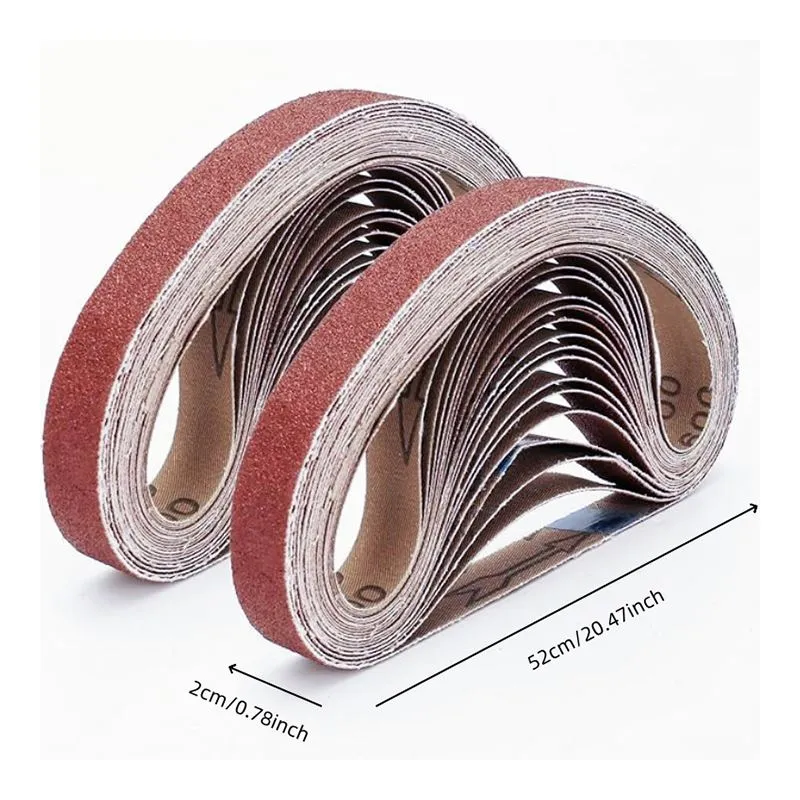
Before we discuss reusability, it's important to understand what coated sanding belts are. Coated sanding belts consist of an abrasive material, such as aluminum oxide or silicon carbide, bonded to a flexible backing material, typically paper, cloth, or film. The abrasive grains are responsible for the cutting action, while the backing provides support and flexibility.
Coated sanding belts come in various grit sizes, which determine the coarseness of the abrasive. Lower grit sizes (e.g., 40 - 60) are used for heavy material removal, while higher grit sizes (e.g., 220 - 400) are used for fine finishing. Different applications require different grit sizes, and choosing the right one is crucial for achieving the desired results.
Factors Affecting Reusability
The reusability of coated sanding belts depends on several factors, including the type of abrasive, the backing material, the application, and the condition of the belt.
Abrasive Type
The type of abrasive used in the sanding belt plays a significant role in its reusability. Some abrasives, such as aluminum oxide, are more durable and can withstand multiple uses. Aluminum oxide is a common choice for general-purpose sanding because it is relatively inexpensive and has good cutting performance. On the other hand, silicon carbide is a harder and more brittle abrasive, which is often used for sanding hard materials like stainless steel. While silicon carbide provides a faster cut, it may wear out more quickly than aluminum oxide, reducing its reusability.
Backing Material
The backing material of the sanding belt also affects its reusability. Paper backing is the most common and is suitable for light to medium sanding applications. However, paper is more prone to tearing and wear, especially when used on rough surfaces or in high-pressure applications. Cloth backing is more durable and flexible, making it suitable for heavy-duty sanding. Cloth-backed sanding belts can withstand more abuse and are more likely to be reusable. Film backing is the most durable and is often used for precision sanding applications. Film-backed sanding belts are resistant to tearing and wear, and they can be reused multiple times.
Application
The application for which the sanding belt is used also determines its reusability. Sanding belts used for light sanding, such as finishing or deburring, are more likely to be reusable than those used for heavy material removal. When sanding soft materials like wood, the abrasive grains on the sanding belt are less likely to become clogged or worn out, allowing the belt to be used multiple times. However, when sanding hard materials like metal, the abrasive grains may wear out more quickly, reducing the belt's reusability.

Belt Condition
The condition of the sanding belt is perhaps the most important factor in determining its reusability. A belt that is worn, torn, or clogged with debris is less likely to be reusable. Worn abrasive grains lose their cutting ability, while torn or damaged backing can cause the belt to break or malfunction. Clogged belts, which occur when the abrasive grains become filled with dust and debris, also reduce the belt's cutting performance. Regular inspection and maintenance of the sanding belt can help ensure its reusability.
Reusing Coated Sanding Belts: Tips and Techniques
If you want to reuse your coated sanding belts, there are several tips and techniques you can follow to extend their lifespan.
Cleaning the Belt
One of the most effective ways to reuse a sanding belt is to clean it regularly. Cleaning the belt removes dust and debris that can clog the abrasive grains, reducing their cutting performance. You can clean the belt using a belt cleaner or a wire brush. Simply run the cleaner or brush over the surface of the belt to remove the debris. Be sure to clean the belt after each use to prevent the buildup of dust and debris.
Rotating the Belt
Another way to extend the lifespan of a sanding belt is to rotate it regularly. Rotating the belt ensures that all parts of the belt are used evenly, preventing premature wear in one area. You can rotate the belt by reversing its direction or by using a different section of the belt. This technique is especially useful when sanding large surfaces or when using a belt for extended periods.
Using the Right Pressure
Using the right pressure when sanding is crucial for extending the lifespan of the sanding belt. Applying too much pressure can cause the abrasive grains to wear out more quickly, while applying too little pressure can result in inefficient sanding. It's important to find the right balance between pressure and cutting performance. Start with a light pressure and gradually increase it as needed.
Storing the Belt Properly
Proper storage of the sanding belt is also important for its reusability. Store the belt in a cool, dry place away from direct sunlight and moisture. Avoid storing the belt in a tight space or in a position where it can be bent or damaged. You can store the belt on a belt rack or in a belt storage container to keep it organized and protected.
Applications and Reusability
Coated sanding belts are used in a variety of applications, each with its own requirements for reusability.
Woodworking
In woodworking, coated sanding belts are commonly used for sanding, smoothing, and finishing wood surfaces. Sanding belts used for woodworking are often reusable, especially if they are used for light sanding or finishing. Wood is a relatively soft material, so the abrasive grains on the sanding belt are less likely to become clogged or worn out. Regular cleaning and proper storage can help extend the lifespan of woodworking sanding belts.
Metalworking
In metalworking, coated sanding belts are used for sanding, grinding, and finishing metal surfaces. Sanding belts used for metalworking are more likely to wear out quickly, especially when sanding hard metals like stainless steel. Sanding Belts for Steel and Sanding Belts for Stainless Steel are designed to withstand the high pressures and heat generated during metal sanding. While these belts may not be reusable as many times as woodworking sanding belts, proper maintenance and cleaning can still extend their lifespan.
Conclusion
In conclusion, coated sanding belts can be reused, but their reusability depends on several factors, including the type of abrasive, the backing material, the application, and the condition of the belt. By following the tips and techniques outlined in this blog post, you can extend the lifespan of your sanding belts and get more value out of your investment.
If you're in the market for high-quality coated sanding belts, look no further. As a leading supplier of Coated Sanding Belts, we offer a wide range of products to meet your specific needs. Whether you're a professional woodworker or a DIY enthusiast, we have the right sanding belt for you. Contact us today to discuss your requirements and start a procurement conversation. We're here to help you find the best solutions for your sanding needs.
References
- "Abrasive Technology Handbook," Society of Manufacturing Engineers
- "Woodworking: A Comprehensive Guide," Popular Woodworking Magazine
- "Metalworking: Principles and Practices," Industrial Press


